Thank you!
The form has been successfully submitted
The form has been successfully submitted
Oops! Something went wrong, please try again

When a customer cannot get through, they go to a competitor. When your number is marked as spam, there will be no sale. When communication is unstable, the team works under stress.
All of this directly affects sales and overall business performance. This is especially noticeable in international projects. Each country has its own number requirements, restrictions, and filtering systems. If the infrastructure is weak, it immediately shows in connection rates..
There is a pattern we have observed for years. While a business is small, telephony “somehow works.” When the company starts scaling, the problems become systemic.
A new GEO is launched, the outbound team grows, traffic increases. At first, everything seems stable. Then the signals appear: ASR drops, some numbers receive spam labels, routes fail during peak hours, numbers get blocked. The team continues working, but efficiency gradually declines.
A separate scenario is entering the German market without proper local numbers. Formally, calls are made, but connection rates are unstable. Customers see a foreign number or do not answer due to low trust.
A similar situation occurs when working with Turkey. Without the correct static solution and properly configured routing, the channel cannot handle the load. Disruptions begin, and any scaling only worsens the problem.
In every case, the root cause is the same: the telephony infrastructure does not match the real scale and objectives of the business.
Each of these problems looks different, but the foundation is always the same – the absence of a managed infrastructure. The solution is not about “replacing a number” or “finding a cheaper route.” It requires rebuilding the logic of the voice channel: localization, routing, redundancy, and control.
That is why we work systemically, not point by point.
The company operated in the German market without stable local numbers. Some calls did not get through, some numbers quickly lost reputation, and ASR remained at 45–50%. The team constantly switched channels, but stability did not improve.
After connecting local DID numbers for Germany and configuring routing via SIP Trunk with redundancy, connection rates stabilized. Within the first month, ASR increased to 62–68%, and the number of spam labels decreased by more than half. Outbound became predictable, and the need for constant number replacement disappeared.

The client could not ensure stable operations in Turkey due to the lack of a proper static solution. Routes could not handle the load, regular disruptions occurred, and scaling was limited.
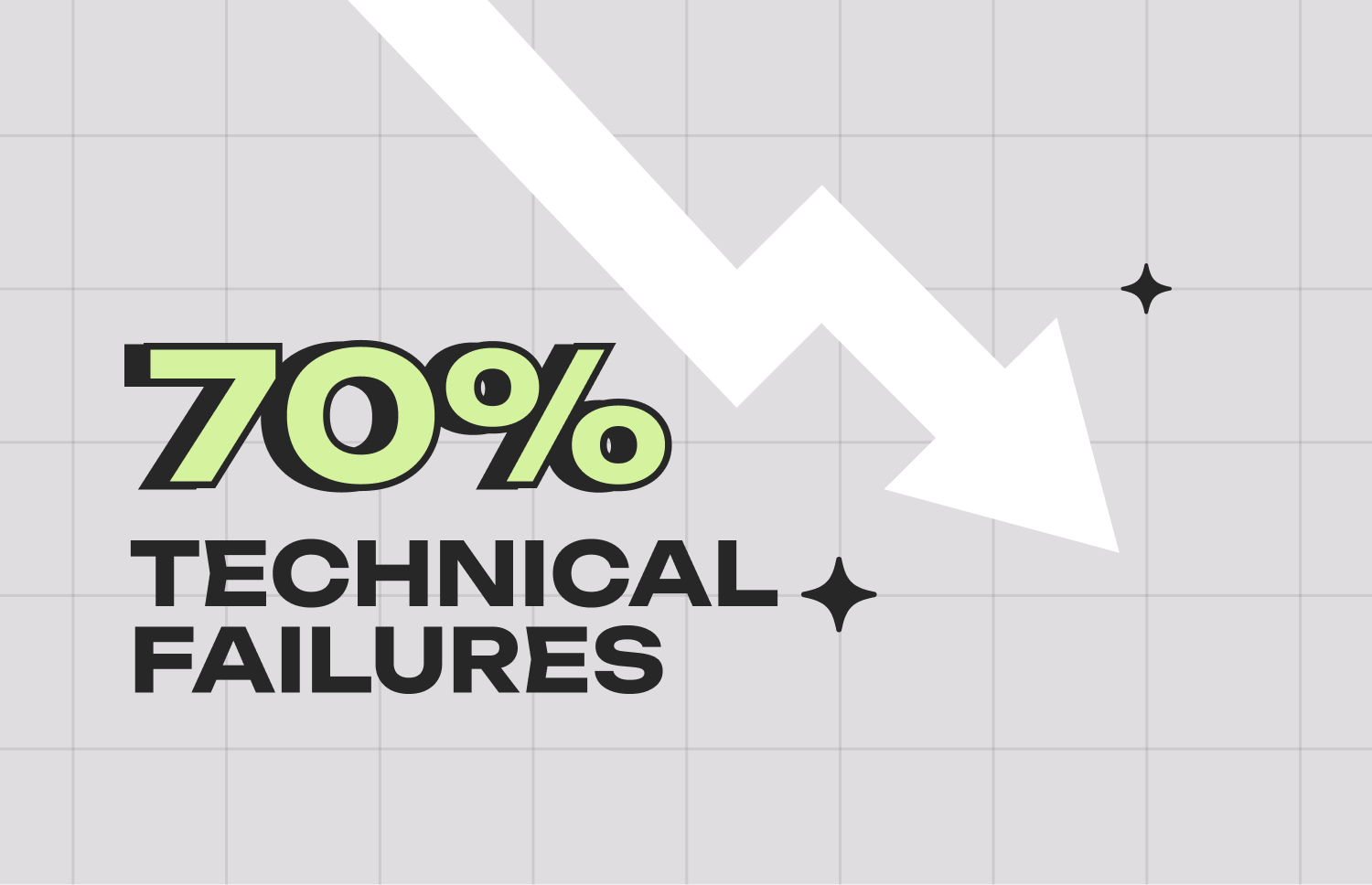
A static connection with redundancy via SIP Trunk was implemented, and routes were configured according to local requirements. After deployment, technical failures decreased by approximately 70%, and the channel remained stable even during peak hours. The company gained the ability to plan load without risking operational downtime.
Case 3: Outbound with Low ASR
The company used low-cost routes and low-reputation numbers. ASR fluctuated between 38–42%, some numbers quickly received spam labels, and conversion rates declined.
After migrating to DID Global’s infrastructure, numbers were replaced, routes were revised, and traffic control was implemented. ASR increased to over 60%, and the number of blocks decreased by approximately half. Outbound operations became stable, and operational support minimized losses in the event of technical limitations.

After switching to DID Global, telephony costs for most clients increase. We do not compete through dumping. However, together with a higher price, businesses gain what they were previously losing – control and stability.
In German projects, stabilizing local numbers improved connection rates and eliminated constant channel replacements. In Turkey, a static solution with redundancy removed recurring disruptions. In outbound teams, after replacing routes and low-reputation numbers, ASR stabilized, spam labels decreased, and blocking was reduced.
One client described the result this way:

In outbound teams that previously used low-cost routes, spam labels and blocks decreased after the transition. Numbers stopped losing reputation quickly, and support responded promptly when issues arose. This directly impacted operational stability and connection rates.
Clients highlight one key change – the constant “firefighting mode” disappears. Teams no longer spend time figuring out why ASR dropped today or why some calls are not going through. Instead, they work with leads.
Scaling also becomes simpler. Adding new agents or launching a new GEO does not require complex technical restructuring. The infrastructure is already prepared for growth.
The main result clients mention is predictability. The business knows that during peak moments, the communication channel will handle the load and will not become a weak link in the operational model.
Telephony starts supporting growth when it stops being a source of limitations.
When entering a new GEO does not mean searching for a new provider and months of coordination. Adding agents does not require physical lines and hardware installation. When peak loads do not turn into a risk of lost calls.
In this model, communication becomes part of the scaling strategy. The company can plan expansion without building technical uncertainty into every launch.
DID Global operates at the VoIP infrastructure level: DID numbers, SIP Trunk, routing, and redundancy. This means the voice channel is built with future growth in mind, not just current tasks.

At that point, telephony stops being an expense that is constantly “optimized” and becomes an asset that supports international business expansion.